Portugal and The Netherlands: Connected by the Sea
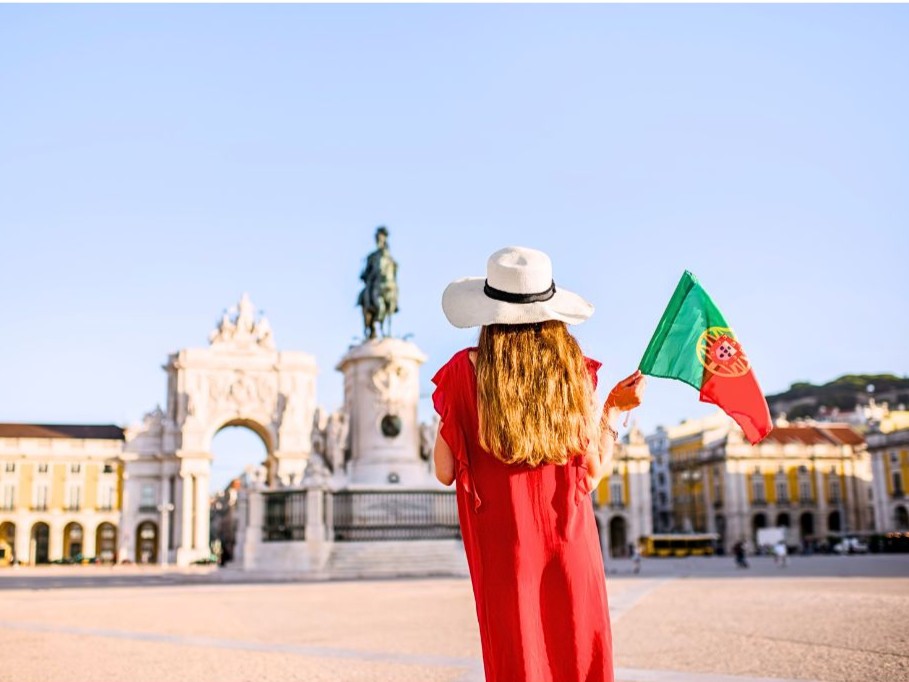
Portugal and the Netherlands may seem distant neighbours on the European map, but their shared maritime history and their cultural and commercial links reveal a strong connection. Both countries left their mark on world history, from the Age of Discovery to today’s modern economic partnerships. Understanding this cultural legacy helps us when doing business in both countries. Inspired by the book Ligados por Mar written by Simon Kuin, we will explore the parallel journeys of Portugal and the Netherlands across the oceans.
Maritime Ambitions
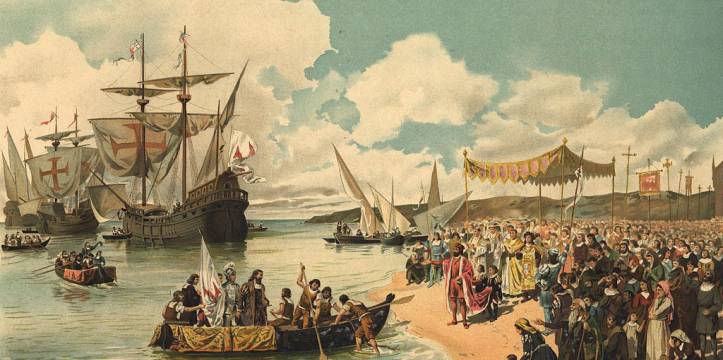
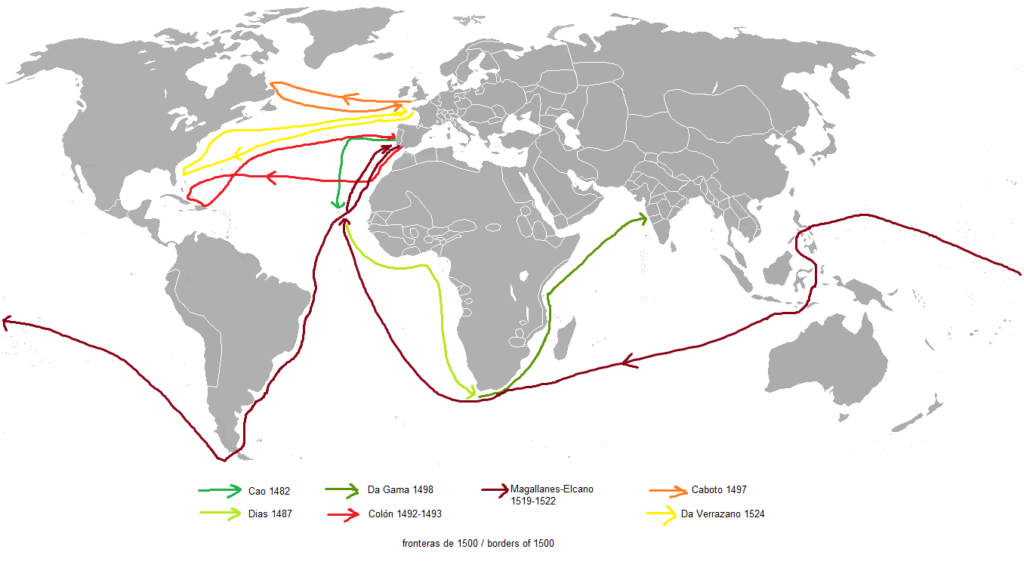
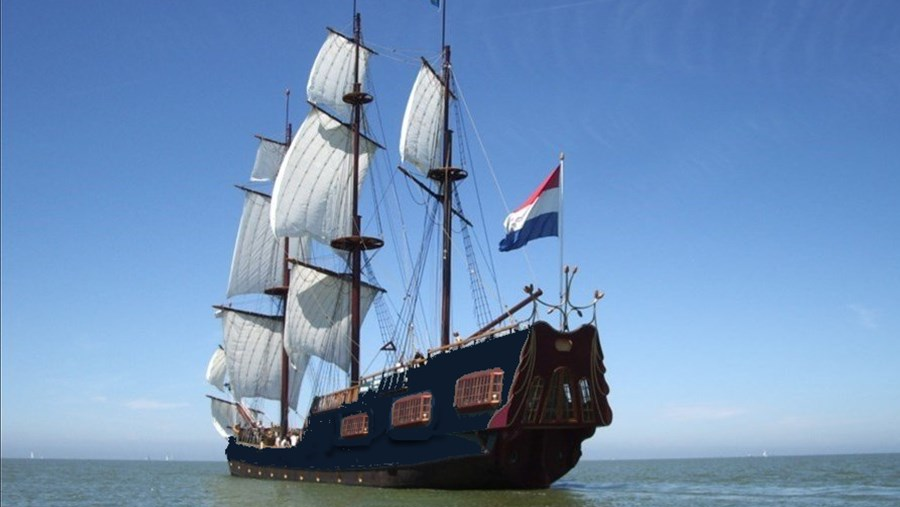
Portugal led the European Age of Discovery in the 15th century under the rule of Henry the Navigator. Portuguese explorers like Vasco da Gama and Ferdinand Magellan discovered new sea routes and destinations, such as India and Brazil. The Dutch entered the maritime scene later but harboured equal ambitions overseas. By the 17th century, the Netherlands became a formidable naval power. The Dutch East India Company (VOC), founded in 1602, became the world’s first multinational corporation, leading the Netherlands to its so-called Golden Age. The VOC was effectively a state within a state, with its own army, navy, and colonial territories.
Colonial Empires
Portugal established a trading empire that stretched from Brazil to East Timor. Through strategic outposts in Angola, Mozambique, Goa, and Macau, as well as numerous trading posts along the way, Portugal created the first global trade network. They developed a model of coastal trading hubs backed by a strong naval power. The Dutch followed in their footsteps but adopted a slightly different approach; whereas Portugal focused on a broad network of coastal outposts, the Netherlands focused purely on monopolising and controlling the most profitable trade routes.
When the Portuguese arrived in the Moluccas in 1512, they sought to establish a permanent presence through both trade and the introduction of Catholicism. While their arrival as trading allies was initially welcomed, the dual pressure of religious conversion and aggressive attempts to control the spice trade eventually sparked local resistance. A similar pattern emerged after the Dutch arrived with the VOC; they also began as allies, assisting the Hituese of Ambon and the Banda Islands in expelling the Portuguese. However, this cooperation turned to coercion when the Bandanese people refused to grant the VOC monopoly contracts for nutmeg and mace in 1621. Consequently, the majority of the population was killed or displaced, and the VOC seized the nutmeg plantations to work the fields using enslaved labour.
The Dutch secured full control of the spice trade in the Moluccan and Indonesian Archipelagos by the mid-17th century. Over time, they established Cape Town as a vital waypoint and developed sugar plantations in Suriname and the Caribbean. The Netherlands also held brief control over parts of Northeast Brazil and New Amsterdam (which later became New York).

Confrontations
The two maritime empires often found themselves in direct competition. During the 17th century, the Dutch conquered several Portuguese colonies, including territories in Brazil and Angola, as well as various trading posts across Asia. The Dutch effectively dismantled Portugal’s monopoly on the spice trade, seizing control of the cinnamon, pepper, clove, and nutmeg markets.
In the “Spice Islands” (the Moluccas in present-day Indonesia), the nutmeg production of a single small island generated more wealth than entire European kingdoms. It is unsurprising, therefore, that both Portugal and the Netherlands fought so fiercely for control. Shifting political alliances meant that the two countries were at times allies and at others rivals. Ultimately, this rivalry drove significant innovations in shipbuilding, navigation, and trade finance.
Painful Legacies
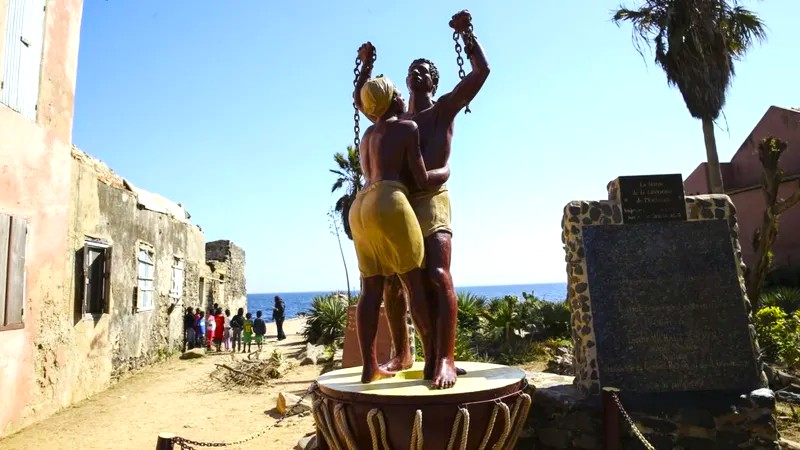
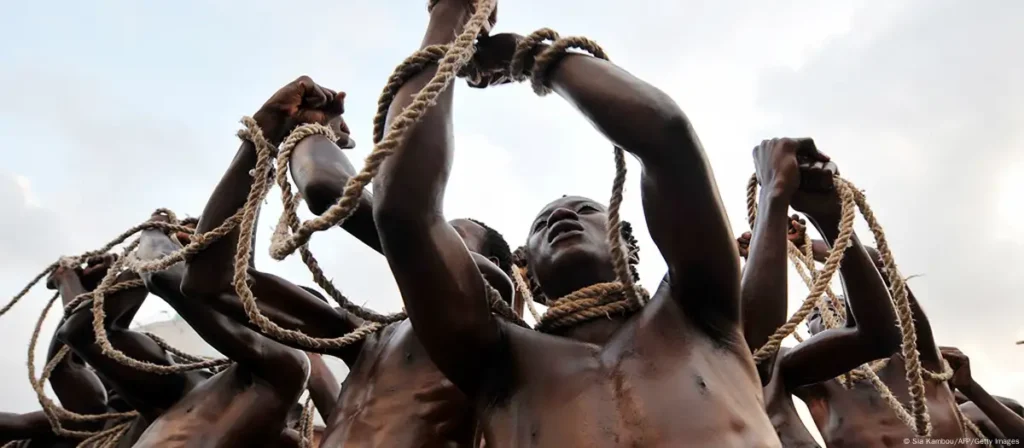
It is impossible to discuss maritime history without acknowledging its darkest chapters. Portuguese ships transported millions of enslaved Africans across the Atlantic, and Dutch merchants profited extensively from the slave trade and the plantation economies in their colonies. Both countries played a significant role in this history of profound human tragedy.
Portugal initiated the transatlantic slave trade in the 1400s, developing the plantation model in Madeira and São Tomé before expanding it to Brazil. By the time the trade ended, Portuguese vessels had transported an estimated 5.8 million enslaved Africans.
The Dutch West India Company (WIC) also became a major player in the trade of enslaved people. During the 17th century, after seizing key Portuguese trading posts in West Africa, Dutch ships carried more than 600,000 enslaved people across the Atlantic. The company’s Brazilian and Caribbean sugar plantations relied entirely on enslaved labour, where working conditions were brutal and life expectancy was extremely short.
Impact on Indigenous people
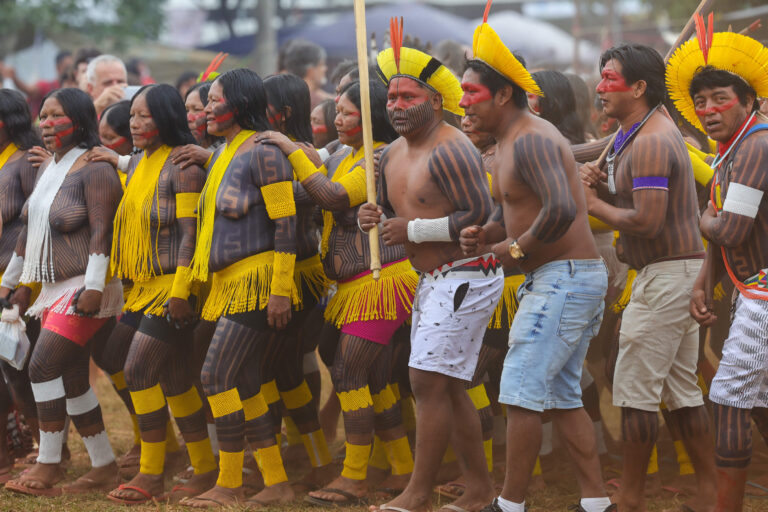
Indigenous peoples also suffered tremendously under both kingdoms. In Brazil, the Portuguese initially enslaved large segments of the native population. The Bandeirantes (Portuguese and Brazilian adventurers) conducted raids deep into the interior to capture indigenous people. In Indonesia, the Dutch VOC enforced monopolies on spice production through extreme measures. This included the destruction of spice trees to artificially restrict supply and the punishment of locals who dared to trade with other Europeans. On the Banda Islands, the Dutch brought about the near-total decimation of the indigenous population to secure nutmeg production. Both empires introduced forced cultivation systems; Portugal’s prazo system in Mozambique and the Dutch cultuurstelsel in Java forced indigenous farmers to grow export crops instead of local food, leading to widespread famine and economic dependency.
Coming to terms with the past
The legacy of Portuguese and Dutch colonialism has led to structural inequalities, environmental degradation, and cultural disruption in former colonies. Brazil’s current racial wealth gap can be traced back to Portuguese slavery policies, while Dutch colonisation in Indonesia created severe economic imbalances that persist to this day. Extensive environmental damage remains visible in the deforested regions of Brazil’s Atlantic coast and in the altered landscapes of Indonesia.
Both the Netherlands and Portugal have only recently begun serious national and international conversations regarding this painful history. Institutions such as Amsterdam’s Rijksmuseum and Lisbon’s Museu de Lisboa are now addressing the dark legacy of colonialism more honestly. This recent dialogue represents an essential step toward addressing centuries of exploitation. Ideally, it will contribute to a meaningful reconciliation that goes beyond symbolic gestures
Modern Partnerships
Portugal and the Netherlands may differ in language, culture and landscape, but their naval heritage has created a unique and enduring connection. What once was a relationship defined by global exploration and competition for natural resources has evolved into a modern European partnership. Today, the connection between the two countries is built on trade, culture, and diplomacy.
The Port of Rotterdam serves as a major gateway for Portuguese exports, such as wine, cork, and textiles. Simultaneously, Dutch goods, including machinery, chemicals, and dairy products, find their way to Portugal’s growing market. Additionally, Dutch businesses have invested significantly in Portuguese industries, particularly in renewable energy, tourism, textiles, footwear production, and the digital ecosystem. These economic synergies reinforce a centuries-old relationship, proving that collaboration has replaced competition. As both countries navigate their future in uncertain times, their common history serves as a reminder that the sea does not separate them; instead, it unites Portugal and the Netherlands as two vital partners within the European Union.
Do you want to know more about Portugal, The Netherlands and how to do business in both countries? Reach out for a free intake.